

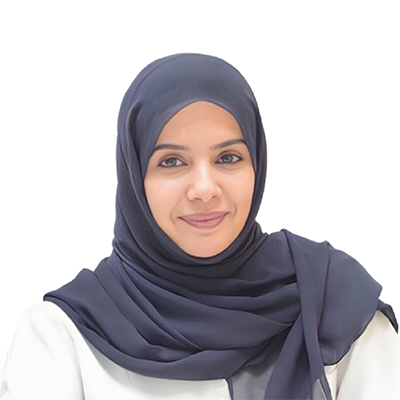

While opinions vary on how to properly address burnout, most agree that actively seeking and adopting personalized recovery measures is essential to fostering well-being. In the following interview, Atlal Abusanad, MD, MSc, FRCPC, CIP, emphasizes the importance of self-awareness, open discussions with peers, personalized recovery paths, and advocacy for systemic support to mitigate and manage burnout effectively.
As she reflects on her personal struggles with burnout, Dr. Abusanad details her journey from adversity to becoming a leading advocate for mental health awareness in oncology. Her perspective empowers physicians to forge their own path to maintain balance amid challenges.
Have you ever experienced feelings of burnout in your career? How did it manifest?
AA: Yes, I have experienced burnout in my career. I was often stressed for no apparent reasons, my mood suffered swings, and my desire to excel was diminishing. I felt heavy and unwell. My proficiency and interest in communicating with patients became less enjoyable, less appealing, and more exhausting. I felt ashamed that I was burdened with my patients’ care. Although I managed to deliver the same quality and consistency of care, it was effortful and draining.
What methods or self-care practices have you employed to foster well-being?
AA: I used self-reflection and mindfulness to regain balance. I learned to accept my limits and recognized that striving for perfection was a major trigger for my stress. This self-reflection led me to employ the following methods to prioritize my well-being: shifting my mindset away from perfectionism, allowing myself to work within my surrounding limits, and avoiding pressure to fix unsolvable challenges, rather choosing to invest my time and efforts in alternative solutions. I also enjoyed small, regular actions of self-care that contributed to my new state of balance.
How do you maintain a sense of purpose and fulfillment in your work amid challenges?
AA: Having a sense of purpose and experiencing fulfillment are each a crucial part in the recovery journey. I have always reminded myself of the reason why I chose oncology as a career path—I saw the beauty in the grim and appreciated the value of being able to help patients with cancer. It satisfied my humane instincts, enriched my craving for progressive knowledge, and wowed my curious mind. I enjoy the interpersonal communications in this field. Hence, I focused on being self-satisfied with my work instead of simply meeting the requirements of the job.
Could you share a strategy that your workplace implemented to mitigate burnout?
AA: Unfortunately, there were none when I was experiencing burnout. This lack of support—and even literature—on burnout from the Middle East and North Africa (MENA) region among oncologists motivated me to conduct the largest multinational study on burnout in oncology from the region. Working on this research was also a part of my healing process. I’m proud to say that this research has helped to raise awareness on burnout and serves as a future reference to advocate for and implement measures against it. It was truly encouraging to be invited to discuss this study, inspired by my personal experience, especially in my academic hospital Grand Rounds. With attendees representing over 40 specialties and 90 responses collected from the post-lecture survey, the vast engagement was remarkable. The lecture was very successful in generating interest and dialogue.
What is one change or initiative that you would like to see in the oncology field at large to help address this issue?
AA: I would like to see the implementation of a formal support system designed to assist care providers in mitigating and managing burnout in the oncology workforce. This system should also include a quick screening tool to identify early signs of burnout, acknowledging that burnout is often a gradual and chronic process that can be difficult to recognize in its initial stages. Integrating burnout, work engagement, and compassion fatigue education into oncology training programs and revisiting the topics regularly would be highly beneficial for both trainers and trainees. Ultimately, talking openly about these feelings, through education or conversations with peers, is key to addressing this issue.
A friend once told me that she had the same experience with burnout as I did, but kept silent out of guilt, shame, and the fear of perceived stigma. I can understand how talking openly about this topic can make someone feel vulnerable, but I like to look at it differently. Sharing my experience is a way to stir a change and be a voice for the voiceless.
If you left an institution, changed roles, or left clinical medicine due to burnout, what factors led to that decision?
AA: I did not leave clinical medicine or change roles due to burnout, but I did have moments where I thought of it. Luckily, I was self-aware and actively managed the stressors to achieve the balance I needed and moved forward wiser and stronger. Still, I can imagine how such an act could bring relief if the working environment contributed to the burnout, yet also feel like a loss for someone who has already invested time and effort in a certain place or role.
What advice would you give to other oncology professionals who are experiencing burnout?
AA: My advice would be to first acknowledge that burnout is real and that no one is immune to it, regardless of their level of experience. It is crucial to recognize when you are not well and confront it. There is no shame in sharing your feelings and seeking support. Learning to set boundaries and admitting our limits are essential, too. Burnout can’t be fixed quickly, so it is important to be patient with yourself and focus on achieving a new balance, rather than dwelling on the previous one. It may happen again, so it is imperative to be prepared and try your best to avoid the trigger. Self-advocacy for well-being is your responsibility and self-satisfaction is a priority.
Is there anything else you would like to share about your experience with or thinking around burnout and wellness in oncology?
AA: Yes! We all have different stressors, deficiencies, aspirations, and qualities to sum up in a solvable equation to achieve our own balance. Therefore, the path to recovery is personal and unique for everyone. Being vocal in addressing burnout through research and self-advocacy contributed largely to regaining my balance. Experiencing burnout should not be stigmatized, as it is a common experience, especially in high-demand fields like oncology. I see it as an opportunity for growth and self-empowerment, which reflects on our mindsets and perhaps brings out the best in us.